My Approach to Understanding Chronic Pain
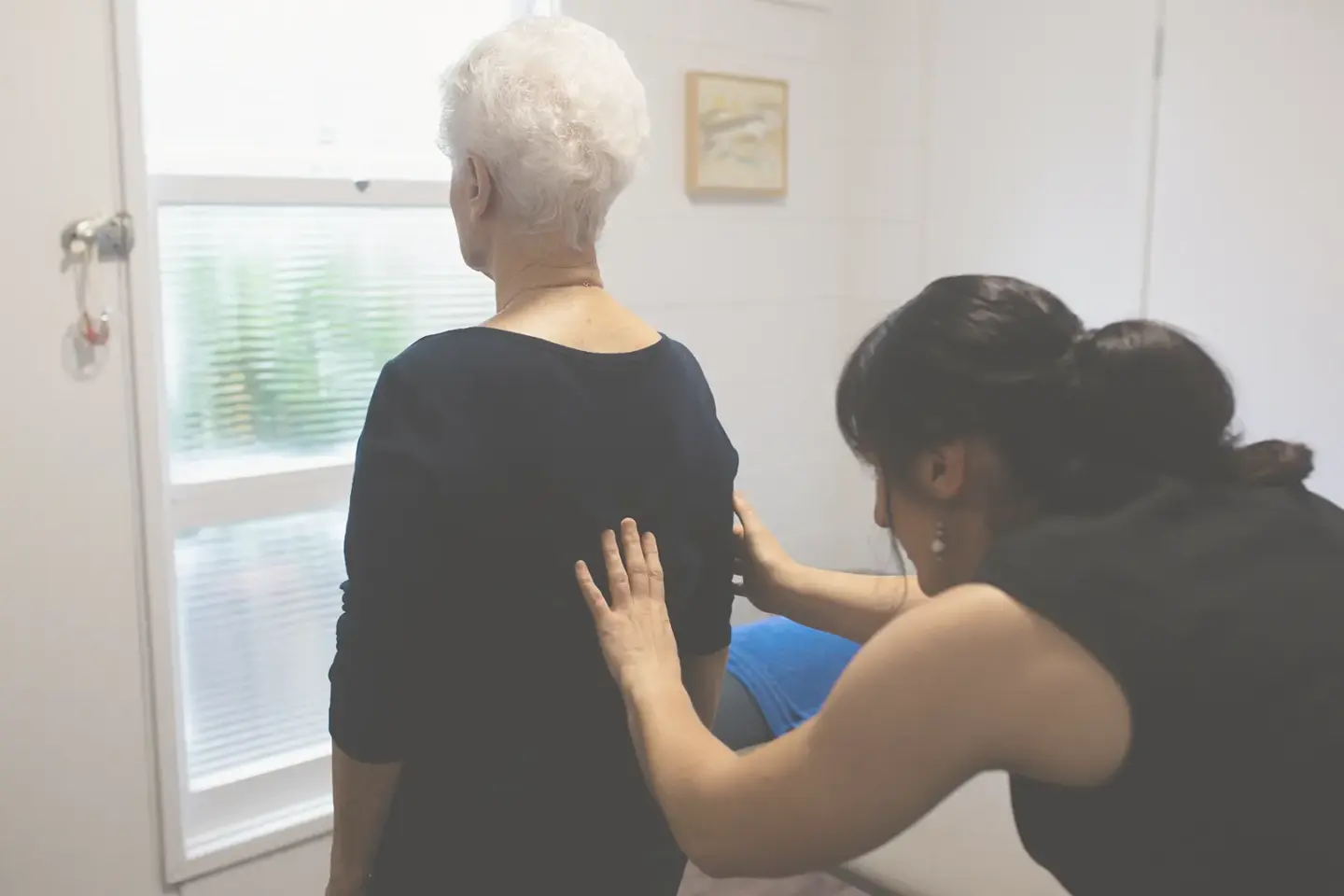
While the principles of osteopathy are to treat the person as a whole (taking a big picture approach), we look at local effects and changes in muscle, fascia, joints, vascular supply, respiratory motion and nervous system in a particular body part and how it then influences and relates to its surrounding structures.
Osteopathic techniques are designed not just to improve function and mobility through the nervous, musculo-skeletal and other supportive tissues of the body, but to aim to aid the body’s natural ability to heal itself.
A Different Kind of Assessment
During our initial consultation, we'll spend time exploring your unique pain story. I might ask about what makes your pain better or worse, how your breathing patterns have changed, or even how you've been sleeping. These details matter because they help me understand how your nervous system is responding.
I use both hands-on assessment and movement observation to get a clearer picture. Sometimes I'll incorporate technology like movement tracking systems, not because it's fancy, but because it gives us objective information about how you're moving.
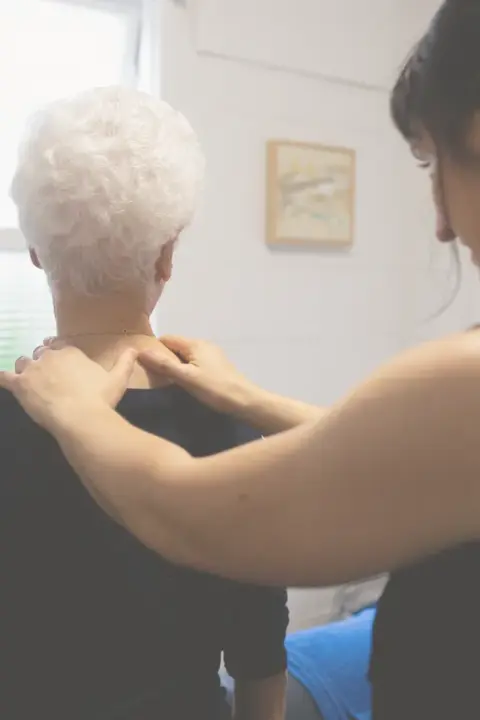
We'll spend time exploring your unique pain story
Manual Therapy That Meets You Where You Are
My hands-on approach varies depending on what your nervous system needs on any given day. Some days you might benefit from firm joint movements or deeper tissue work, especially if you're someone who appreciates that "hurts so good" feeling. Other times, particularly if your system is already amplifying pain signals, we'll use incredibly gentle techniques that help calm rather than provoke.
The beauty of osteopathy is having this range of options. I meet you where you are, not where a textbook says you should be. If your nervous system is saying "please be gentle today," we listen to that. If it's ready for something more substantial, we can work with that too.
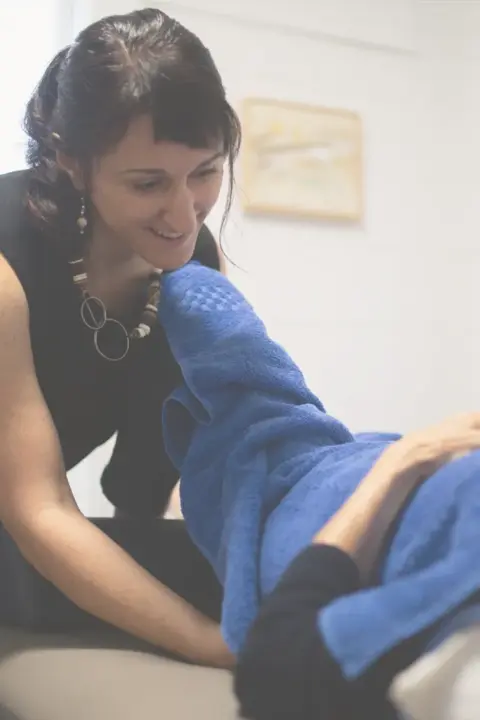
The beauty of osteopathy is having this range of options
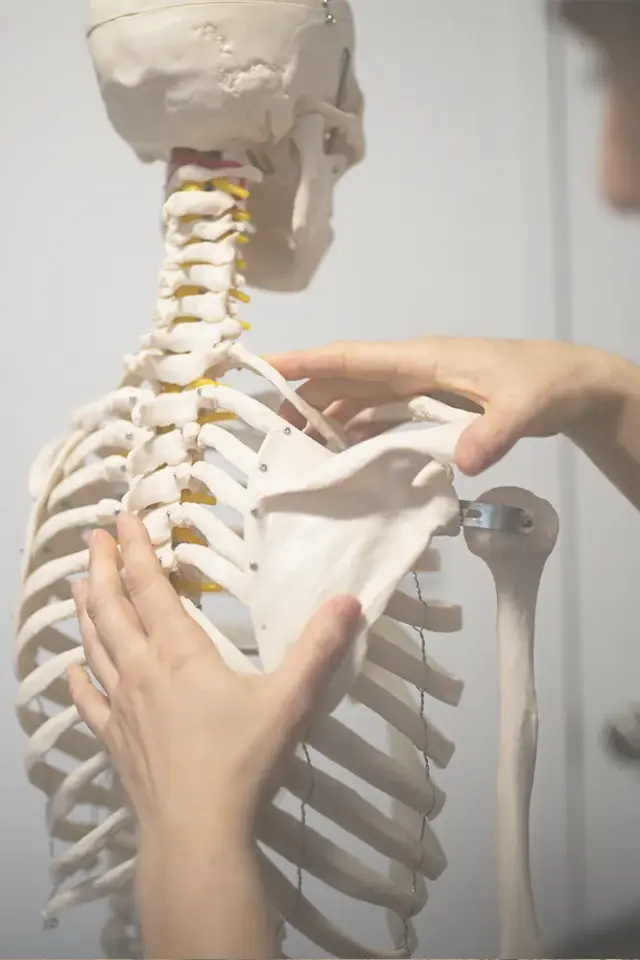
when they learn that pain doesn't always equal damage
Making Sense of Pain Together
Here's something that might surprise you: understanding how pain works can be as powerful as any hands-on technique. When you understand why your brain might be amplifying pain signals, or how fear of movement can actually increase pain sensitivity, it changes everything.
I've watched people's whole relationship with their pain shift when they learn that pain doesn't always equal damage, or when they realise their nervous system has become really good at protecting them, perhaps a bit too good.
Building Your Toolkit for Life
I believe in giving you practical approaches you can use at home. This might be teaching you the "tennis ball against the wall" technique for neck tension, showing you breathing exercises or helping you discover fun ways to move your body and exercise in different ways that helps you manage your pain.
Working as Part of Your Team
I don't work in isolation. Chronic pain often benefits from a team approach, and I'm comfortable collaborating with your GP, Exercise Physiologist, Psychologist, Physiotherapists, Acupuncturists, Massage Therapists or other healthcare providers.
If you've been referred by your GP through a Medicare Chronic Disease Management plan, I'll keep them updated with detailed reports. If we discover you'd benefit from working with a psychologist or exercise physiologist, I can help coordinate that conversation.
What You Can Expect
My approach aims to help you understand what might be contributing to your pain patterns, support your body's natural capacity for healing and adaptation, and provide strategies for managing flare-ups more effectively. We'll work on building confidence in your body's ability to move and function, and explore opportunities for positive change.
I can't promise to "fix" your pain, that wouldn't be honest or within my professional scope. What I can offer is a genuine partnership in understanding your pain better and finding approaches that may help improve your function and quality of life.
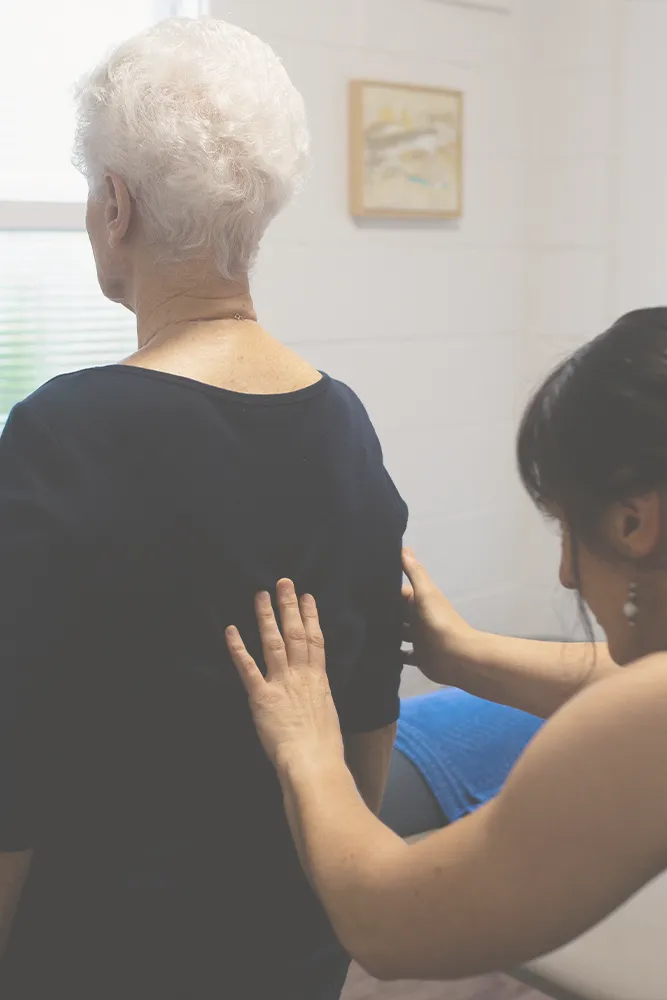
My approach aims to help you understand what might be contributing to your pain patterns
Extended Time for Proper Understanding
Unlike rushed 15-minute appointments, I schedule longer consultations because chronic pain deserves proper attention. This gives us time to really understand your story, conduct a thorough assessment, and discuss strategies that make sense for your situation.
Your pain story matters. The way it affects your daily life matters. And most importantly, you matter, not just as a collection of symptoms, but as a whole person navigating the challenge of living with persistent pain.
Please note: All approaches are provided within my scope of practice as a registered osteopath. I maintain professional registration with AHPRA and am a member of Osteopathy Australia.
Book an appointment